China’s industrialisation
of Africa

In recent years, China has established itself as a dominant investor in African industrialisation.

Africa has received relatively little investment by western economies compared to China in recent years. China appears to be the cloud with a silver lining over a continent still suffering from the disruptive break up of the British Empire.

However, some see these investment projects in African nations as a predatory debt-trap diplomacy tactic as they are funded with loans with interest form China.

Western nations who disagree with much of the new China ideology feel like they are loosing power to a more influential China.

The problem

1961 GDP Growth (%) 2017
20% 0% -20%
1961 Average Wages 2017
US$ 12, 000 US$ 0

China’s GDP Growth (%)

China has experiences 30 years of unprecedented explosive growth through rapid industrialisation

This was largely done through massive government investment in Chinese business and subsidies

However, in recent years this has begun to slow. Their economy is still very strong and they however, they have reached growth saturation with few growth opportunities yet to exploit.

[ World Bank ]

China’s average wages

One of the contributing factors to this decline is China’s ability to raise their middle class. They have a long history of poverty but under the new leadership, have been able to raise 800 million people out of poverty in 40 years. Their competitive edge of cheap labour is slowly fading.

[ Trading Economics ] [ Al Jazeera ]

China found its growth opportunity in a place much forgotten by the rest of the world, Africa. Africa has a huge potential workforce, land and natural resources. Is also centrally located for trade with North America, Europe and Asia, and has yet had an influential spark to release its potential.

Between 2009 – 2017 China has consistently kept the number of Chinese national workers working on Chinese backed projects in Africa around 200,000.

[ SAIS CARI ]

Below is China’s recent African investment in numbers.

China’s investment in Africa

Chinas Foreign Direct Investment
Negative FDI
image/svg+xml
2003
2004
2005
2006
2007
2008
2009
2010
2011
2012
2013
2014
2015
2016
2017

Chinas investment in Africa is roughly divided into ⅓ extractive industry and ⅔ in the following: schools, hospitals, ports, all weather roads, factories, electricity production and railways.

Despite China having many disputed territories in Asia, Africa does not view China as having a history of colonialism. Africa views China as an aspirational trustworthy ally that understands Africa’s priorities. This is easy to see, as China less than a century ago was comparable to much of Africa today.

African nations involved in the new belt and road project are not passive victims. They are aware of the implications of siding with China, and do have a say in their contracts.

[ Al Jazeera ]
“Chinese manufacturing investment is the best hope that Africa has to industrialise in this generation” Irene Yuan Sun [ McKinsey ]

Up until 2002 European nations were the main backers of African rail projects however, these were often poorly maintained and underused.

China has become dominant force, funding on average of $160 billion of rail infrastructure a year.

In rail projects 53.8% of the workers are Chinese. Something China sees as necessary as they have a more skilled and educated workforce.

Chinese rail projects active in 35 African countries as of 2016.

[ Smart Rail World ]
[ Smart Rail World ]
Kenya
hi
Zambia
hi
Nigeria (Lagos)
hi
Ethiopia
hi
Nigeria (Abuja-Kaduna)
hi
After the Kenyan rail project ran over budget, the goverment took another $152.4m loan to fund the project. This was met with protests and a surge of anti-Chinese violence, with a pause put on the project.

Not all of these projects are funded by China, but they are all constructed by a Chinese construction company, CCECC.

Case studies

Sri Lanka 🇱🇰

2015

Sri Lanka is an example of a Chinese loan gone bad. The island nation, after failing to pay back $8-billion to China’s state lenders, had to surrender majority control of its strategic Hambantota port on a 99-year lease to the Asian superpower. The port was developed with loans from China.

[ MG ZA ] [ NYT ] [ SCMP ]

Djibouti 🇩🇯

2016

Another country that is at risk of losing its independence to China is Djibouti. According to The Economist, China is the country’s biggest investor and over the past two years it has lent $1.4-billion to the small East African country, which is more than 75% of its gross domestic product.

[ MG ZA ]

Kenya 🇰🇪

2018

Kenya has reportedly taken extremely large loans from the Communist government for the development of some major highways, and especially for the SGR, which forms a crucial transport link to and from Nairobi for the import and export of goods through Mombasa. After a subsequent report from the country's Auditor General, local media began to express concern that Chinese lenders may be angling to seize assets, since it does not appear the Kenyan government will be capable to repaying the loans. Now, one month later, ahead of the New Year, it’s been reported that the Chinese may be preparing to take over the Mombasa Port infrastructure soon.

[ Taiwan News ]

Failed to industrialise

Lack of good education systems

Mismanagement of land

Disease

Conflict

Colonialism

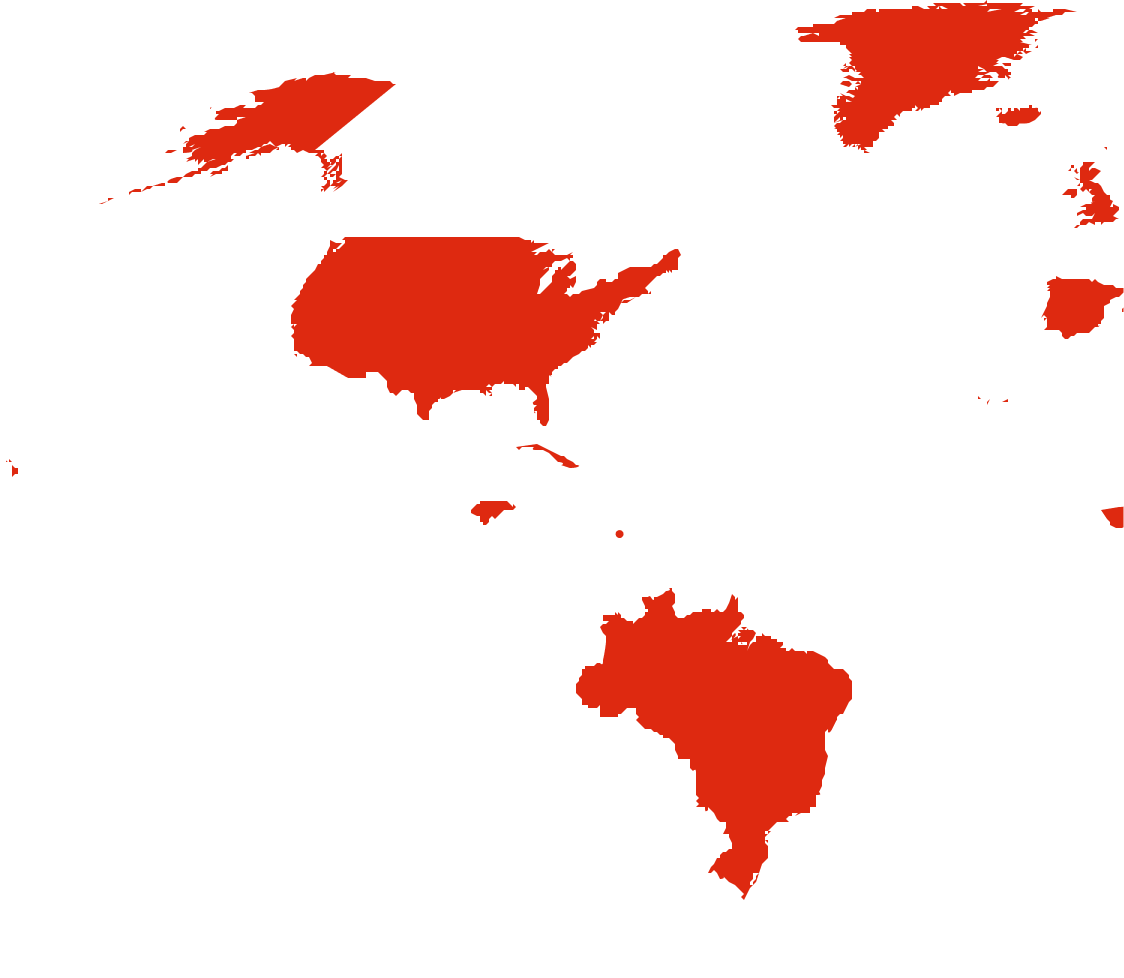
US maintains 800 military bases in more than 70 countries compared to China’s 1

Seeing through the black and white

Though Africa is rich in natural resources and potential, it has struggled to industrialise and grow. China has experienced unprecedented growth by the efficient bureaucracy in its single party government that enables it to move fast. The US is busy playing world police for control, while China is the world trade.

You can give a man a fish, teach him to fish; or you could loan them a boat.

China still assumes prosperity for the nations they invest in.
US military

Since 2008, China has constructed 29,000km equivalent to ⅔ of the world's high-speed rail tracks in commercial service